Sleep Guides Crib Safety
Naturepedic Mini-Crib Sleep Surfaces: Fit, Safety, and Material Checks
A mini crib may be compact, but choosing its sleep surface calls for full-size attention to detail. Start with the crib manufacturer’s fit requirements, then look closely at construction, certifications, care instructions, and safe-sleep guidance. The right choice is not simply a matter of softness or a natural-sounding label: it is a compatible, well-fitting surface used exactly as intended.
A practical, non-commercial guide to evaluating a mini-crib mattress, including Naturepedic options. Always follow the instructions supplied with your specific crib and mattress.
Why mini-crib fit deserves its own checklist
“Mini crib” describes a smaller crib format, not one universal mattress measurement. Dimensions and design can vary among models, and the usable interior space of the crib matters as much as a measurement listed in a product description. A mattress that fits one mini crib may not fit another, even if both are sold under the same general size name.
That makes fit the first question—not a detail to revisit after comparing fabrics, certifications, or convenience features. A mattress should be the size and type specified by the crib’s manufacturer, and it should sit securely within the frame. Avoid assuming that a standard crib mattress, another mini-crib mattress, or a product described as “universal” will be suitable. Verify compatibility for the exact crib model and, where applicable, its particular configuration.
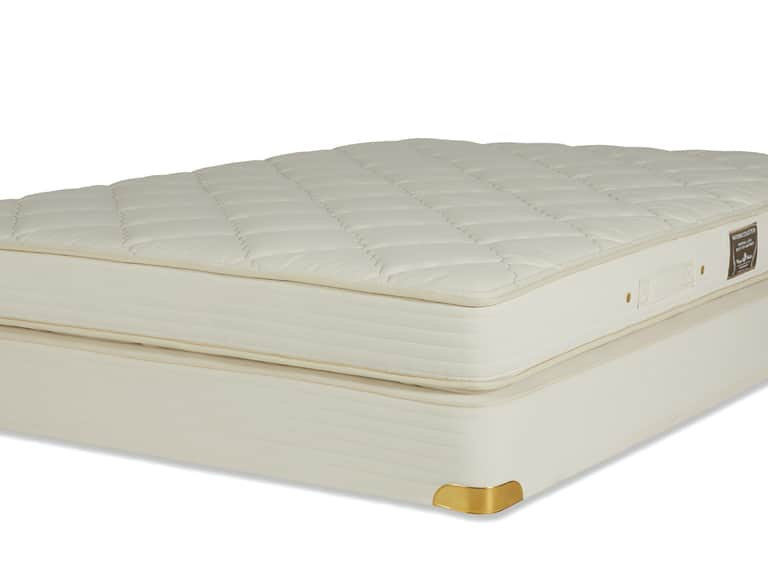
For families considering a Naturepedic organic mini crib mattress, use the same measured, model-specific approach. Check the current product details and confirm that the particular option is intended for the crib in question. Product lines and specifications can change; a brand name alone cannot establish compatibility.
Measure the crib, then verify the manufacturer’s requirements
Begin with the crib’s manual, product label, or official manufacturer information. Look for the mattress dimensions the crib is designed to accommodate, along with any instructions about mattress type, thickness, support, or permitted configurations. If the crib has adjustable mattress positions, confirm whether the guidance changes between them. Keep the documentation available when comparing options.
Measurements can help you catch a mismatch, but they should not replace the crib maker’s specifications. If you measure the interior, do so carefully and follow any instructions about where and how to measure. Rounded corners, rails, hardware, and the shape of the frame can make a simple length-and-width comparison misleading. The manufacturer’s stated compatibility is the more useful reference.
- Identify the exact crib model. Record its manufacturer and model name or number; similar-looking cribs may have different requirements.
- Check the specified mattress dimensions. Compare the listed dimensions with the crib manual and the mattress maker’s current specifications.
- Confirm thickness and support requirements. Do not infer that a mattress is suitable because its length and width seem right.
- Ask before improvising. If the crib is older, missing its manual, or has been modified, contact the manufacturer for guidance rather than relying on a guess.
- Recheck after delivery. Confirm the item received is the size and model you selected before placing it in the crib.
If the two manufacturers’ instructions appear to conflict, pause and seek clarification. Customer-service guidance tied to the exact model is more dependable than a general online sizing chart. Avoid trimming, bending, or otherwise altering a mattress to force a fit; an improvised adjustment can undermine the intended support and fit.
A close fit is a safety feature
Once the mattress is in place, inspect how it sits in the crib. It should lie flat and fit snugly according to the crib manufacturer’s instructions, without a noticeable gap around its edges. A gap can create a space where an infant may become trapped. If the mattress shifts, bows, or leaves an opening that concerns you, do not try to solve the problem with rolled towels, extra padding, or a different fitted sheet. Recheck the model and dimensions, and contact the manufacturers if the fit is unclear.
Fit should be assessed in the crib itself, not only by comparing numbers on a screen. Check the mattress around the perimeter and at the corners, and make sure it rests on the intended support. Follow the crib instructions when adjusting mattress height or changing the configuration. A mattress that appears secure in one position should not automatically be assumed to fit correctly in another.
For infant sleep, current safe-sleep guidance emphasizes a firm, flat, separate sleep surface and a clear sleep space. Place the baby on their back for sleep, and keep the crib free of pillows, quilts, comforters, soft toys, positioners, and other loose or soft items. Use only the fitted sheet intended to fit the mattress. Do not add a topper or cushion to make the surface feel softer or to compensate for a poor fit. A sleep surface should be used as designed, not customized with extra layers.
These principles apply whether a mattress is conventional or marketed as organic. Material choice does not replace safe setup, careful fit, or adherence to the crib’s instructions. Families with questions about an infant’s individual sleep needs should consult a qualified health professional and use current public-health guidance.
Reading Naturepedic material descriptions with care
Material information can help families understand what a mattress is made of and decide whether its construction aligns with their preferences. When reviewing a Naturepedic mini-crib option, look beyond broad phrases such as “natural,” “organic,” or “non-toxic.” Find the full material list and identify what each layer contains: the cover, core, any cushioning, seams, and other components. If a description leaves something important unclear, seek an answer from the maker before deciding.
Organic materials and organic certifications are not interchangeable concepts. A product may contain an organic material without every component or the finished item being covered by the same certification. Read the scope of any certification carefully: what it applies to, which materials or stages it covers, and whether the documentation refers to the exact product under consideration. A logo or general brand statement is not a substitute for checking the certificate and its scope.
It is also useful to separate material questions from performance and safety questions. A fiber’s origin does not by itself tell you whether the mattress fits the crib, whether the surface is appropriately firm and flat, or how the item should be cleaned. Likewise, a certification can offer information about specified standards but should not be treated as a guarantee that a product is suitable for every crib or every family circumstance.
For a clear comparison, note the exact product name and model, the listed cover and core materials, any stated certification and its scope, and the maker’s care instructions. If a particular material matters to your household—because of a sensitivity, a preference, or another practical concern—ask a specific question about that component rather than relying on a broad label.
Certifications: useful evidence, not a shortcut
Certifications can make product research more legible, but they are only meaningful when you understand what is certified. Some programs focus on the composition or processing of particular materials; others address defined chemical, textile, or environmental criteria. The name of a standard does not automatically tell you that an entire mattress, every layer, or every aspect of its use has been assessed.
When a Naturepedic product page lists a certification, check whether the claim applies to the finished mattress, a specific material, or a manufacturing process. Look for the certifying organization, the standard named, and documentation that matches the current product. If you cannot determine the scope from the listing, ask the manufacturer to clarify. Keep copies of product details and responses with the crib manual if they may help with future care or replacement questions.
Be cautious with absolute language in any product description. Terms such as “chemical-free” or “hypoallergenic” can be used broadly and do not necessarily explain the exact construction or an individual infant’s response. Ask what the statement means for that item and which evidence supports it. A careful reading lets certification information contribute to a decision without allowing it to overshadow fit and safe use.
Care instructions are part of the decision
A mattress may require particular handling to maintain its construction. Before choosing one, read the care label and the manufacturer’s full instructions. Note whether the cover is removable, whether it may be laundered, how spills should be addressed, and whether the core must remain dry. “Easy care” is not a precise cleaning method; follow the directions for the actual item rather than assuming it can be washed like a sheet.
Use only a fitted sheet that is designed to fit the mattress snugly. Check the sheet’s fit and condition regularly, and replace it if it no longer stays securely in place. If a spill occurs, follow the mattress maker’s instructions and make sure the sleep surface is fully dry before use. Do not add an unapproved waterproof layer, pad, or topper without checking the crib and mattress guidance; extra layers can affect the intended fit or surface.
Routine inspection is simple and worthwhile. Look for tears, damaged seams, a sagging or uneven surface, moisture, or signs that the mattress no longer sits securely in the crib. Check the frame and its support components according to the crib instructions as well. If anything appears damaged or the fit has changed, stop using the setup until you have checked the manufacturer’s guidance.
A considered checklist before choosing
In a category crowded with reassuring adjectives, a short, disciplined checklist is an elegant way to keep the decision grounded. It puts the most consequential compatibility questions ahead of style, brand familiarity, or the appeal of a particular fabric.
- Crib identity: Do you have the exact manufacturer and model information?
- Dimensions: Does the mattress match the crib maker’s stated length and width requirements?
- Profile and support: Is the mattress thickness and construction permitted by the crib instructions?
- In-crib fit: Does it lie flat and fit snugly, without a concerning gap or movement?
- Surface: Is the sleep surface firm and flat, with no added cushioning or unapproved layer?
- Materials: Are the cover, core, and other components clearly described?
- Certification: Is the certification current, and is its scope clear for the specific product?
- Care: Can you follow the maker’s cleaning and maintenance directions?
- Documentation: Do you have the manuals and model information for both crib and mattress?
If a product fails a compatibility check or its specifications cannot be confirmed, keep researching rather than hoping that a close-enough measurement will work. The most appealing materials cannot make an unsuitable fit acceptable.
Questions families often ask
Can a standard crib mattress be used in a mini crib?
Only if the specific crib manufacturer says that mattress is compatible and it meets the crib’s fit requirements. Do not assume that a standard-size mattress will work simply because the product description appears similar. Confirm the exact model and dimensions.
Does “organic” mean a mattress will fit correctly?
No. Organic describes a material or certification claim, not compatibility with a particular crib. Confirm the crib’s stated dimensions and mattress requirements independently, then check fit in the crib.
Is a mattress protector or topper needed?
Do not add a topper, cushion, or other layer unless the crib and mattress manufacturers explicitly permit it and it is consistent with current safe-sleep guidance. Use a properly fitted sheet and follow the instructions supplied for your setup.
How should I compare Naturepedic options?
First confirm that the particular Naturepedic product is intended for your exact mini-crib model. Then review its current measurements, construction, materials, certifications, and care guidance. Product availability and specifications can change, so consult current manufacturer information rather than relying on an older listing or a general brand description.
What if I cannot confirm the fit?
Do not use a mattress whose compatibility is uncertain. Contact the crib and mattress manufacturers with the exact model names and ask for written clarification. A verified answer is preferable to an improvised solution.
The quiet confidence of getting the basics right
A mini-crib sleep surface is a practical choice, but it is also part of an infant’s everyday sleep environment. The decision becomes clearer when it is made in the right order: identify the crib, verify its requirements, confirm a snug fit, review the mattress materials and certifications, and understand how to care for it. This sequence keeps a sophisticated material story in its proper place—important to some families, but secondary to compatibility and safe setup.
For Naturepedic or any other brand, the most useful information is product-specific and current. Read the manual, check the exact measurements, and ask direct questions when details are missing. Once the mattress is installed, keep the sleep space simple: a firm, flat surface with a fitted sheet, used according to the crib and mattress instructions. Thoughtful research need not be complicated; it simply refuses to let a label or assumption stand in for a fit that has been checked.